Understanding the Text to 3D Process
In the rapidly evolving landscape of digital design, the ability to convert textual descriptions into detailed three-dimensional models is transforming various industries. This innovative approach, known as Text to 3D, leverages advanced algorithms and artificial intelligence to create vivid visual representations from simple text prompts. It opens up new avenues in creativity and product design, making it increasingly accessible for artists, educators, and engineers alike.
What is Text to 3D?
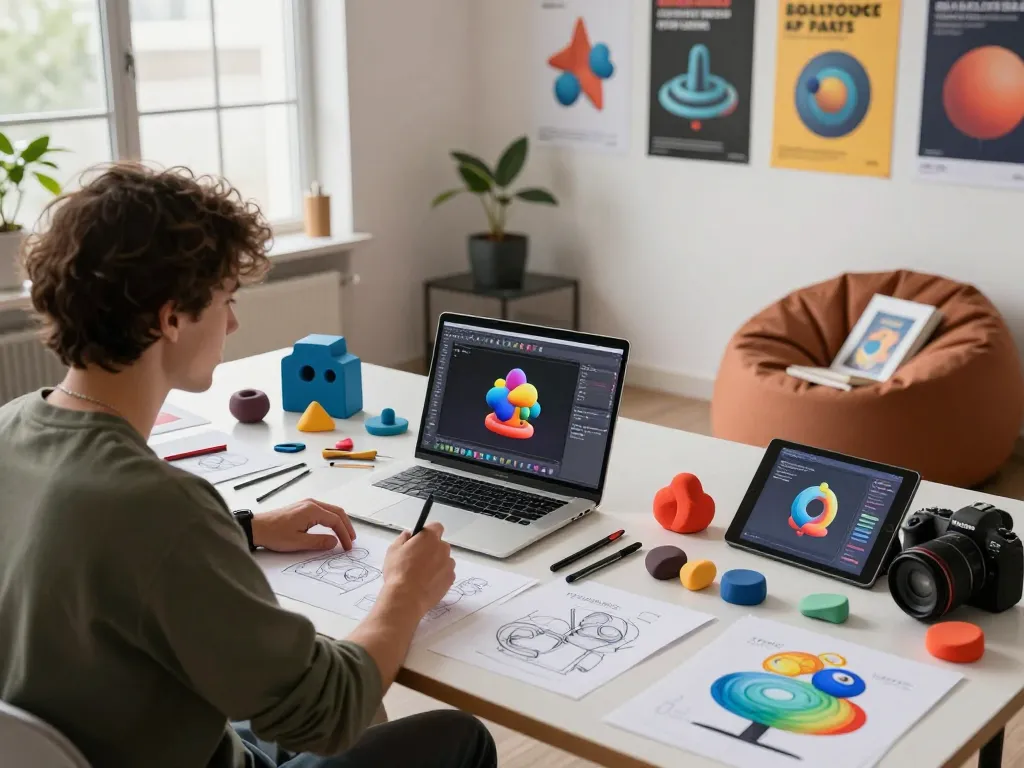
Text to 3D refers to the process of generating three-dimensional models based solely on textual input. This technology interprets descriptive language and transforms it into a digital object that can be viewed and manipulated in 3D space. The applications range widely, from entertainment and gaming to educational tools and architectural design.
The Technology Behind 3D Model Generation
The foundation of Text to 3D technology lies in machine learning and artificial intelligence. By utilizing sophisticated neural networks, these systems learn from vast datasets of existing 3D models and associated textual descriptions. As a result, they can understand the nuances of language and context, enabling them to generate 3D structures that closely align with user input.
Recent advancements have also seen the incorporation of generative adversarial networks (GANs) that enhance the realism of the generated models. GANs operate by having one network create images while another evaluates their quality, leading to a more refined output.
Applications of Text to 3D in Various Industries
The versatility of Text to 3D technology means it finds applications across numerous fields:
- Gaming: Game developers can use Text to 3D to create assets and environments quickly, enhancing overall development speed.
- Education: 3D models generated from text can serve as interactive learning tools, aiding comprehension in subjects like science and geography.
- Manufacturing: Product designers can rapidly prototype ideas based on textual descriptions, streamlining the design process significantly.
- Art and Design: Artists are exploring the boundaries of creativity by utilizing Text to 3D for unique art forms that blend technology with traditional techniques.
Evaluating Tools for Text to 3D Generation
Top Software for Creating 3D Models
The market offers a variety of tools specifically designed to convert text to 3D models. Here are some leading options:
- HexaGen: An automated platform known for its community-driven model creation, allowing users to generate objects from both text prompts and images.
- Meshy AI: A popular choice among 3D artists and game developers, it promises production-ready models in seconds.
- Sloyd: Offers a comprehensive suite for generating models from text or images, catering to different user needs.
- Fast3D: Known for its speed, Fast3D helps users transform their ideas quickly into 3D reality.
Comparing Free vs. Paid Options
When selecting a Text to 3D tool, users often debate between free and paid options. Free tools may offer limited features, while paid subscriptions provide more advanced functionalities such as customizability, enhanced processing speed, and priority support. It’s essential to assess your specific needs and budget to choose the most suitable option.
User Experience: Choosing the Right Tool
User experience can significantly impact the effectiveness of Text to 3D generation. Intuitive interfaces, robust tutorials, and community support are vital factors. It’s advisable to explore trial versions of various tools to find the one that aligns best with your workflow.
Best Practices for Effective Text to 3D Creation
Crafting Descriptive Text Prompts
The quality of the input text directly influences the output of 3D models. Users should aim to create precise and vivid descriptions to effectively communicate their vision. Including details about size, shape, texture, and color can enhance the fidelity of the output.
Iterative Design: Refining Your 3D Models
Generating a 3D model is often just the beginning. Iterative design allows users to refine their models through multiple revisions, incorporating feedback and experimentation with different prompts to achieve the desired outcome.
Common Errors and How to Avoid Them
Some common mistakes include vague descriptions and overlooking the importance of details. To avoid these pitfalls, always review your prompts for clarity and specificity. Engaging in a community or forum can also provide valuable insights and help troubleshoot issues.
Real-World Success Stories of Text to 3D
Innovative Uses in Education and Prototyping
Educational institutions are increasingly leveraging Text to 3D to create immersive learning experiences. For instance, students in biology classes can visualize complex structures like DNA molecules, facilitating better understanding through interactive 3D models.
Case Studies from the Art and Design Community
Artists are pushing the creative boundaries with Text to 3D tools. One notable example is a group of digital artists who collaborated to create a virtual art exhibition, allowing users to navigate through a 3D space filled with AI-generated sculptures and installations.
Impact on Manufacturing and Product Design
In the manufacturing sector, companies utilize Text to 3D technology for rapid prototyping. For example, automotive manufacturers are creating detailed models of car parts based on specific performance requirements, reducing the lead time from concept to production.
Future Trends in Text to 3D Technology
Emerging Technologies and Innovations for 2026
Looking ahead, emerging technologies such as augmented reality (AR) and virtual reality (VR) will likely integrate with Text to 3D, enabling users to interact with models in real-time environments. This synergy will enhance design workflows and offer unprecedented levels of engagement.
Predictions for the Next Decade
As AI and machine learning continue to advance, we can expect even more sophisticated algorithms capable of interpreting complex narratives. This evolution will likely lead to automatic adjustments in model generation based on user behavior and preferences.
Staying Ahead: Adapting to Rapid Changes in Technology
To remain competitive in the landscape of Text to 3D, professionals must adapt to these rapid changes. Continuous learning and exploration of new tools and techniques will be crucial for leveraging the full potential of this technology.
What are the limitations of current Text to 3D technologies?
Despite their potential, current Text to 3D technologies face limitations including the accuracy of interpretations and the quality of the generated models. Users may encounter difficulties when dealing with ambiguous or overly complex prompts.
Is Text to 3D accessible for beginners?
Many Text to 3D tools are designed with user-friendly interfaces that cater to novices. However, a basic understanding of 3D modeling concepts can enhance the experience and outcomes for beginners.
What industries benefit the most from Text to 3D?
Industries such as gaming, education, manufacturing, and art see significant benefits from implementing Text to 3D tools. Their ability to streamline processes and enhance creativity makes them invaluable in these fields.
Can Text to 3D reduce costs in production?
Yes, utilizing Text to 3D can lead to significant cost savings in production by reducing the time and resources spent on manual model creation and prototyping. This efficiency allows businesses to allocate resources more effectively.
What skills are needed to excel in Text to 3D generation?
While technical skills in 3D modeling are advantageous, creativity and the ability to articulate vivid descriptions are equally important. A strong understanding of design principles will further enhance a user’s capability in Text to 3D generation.