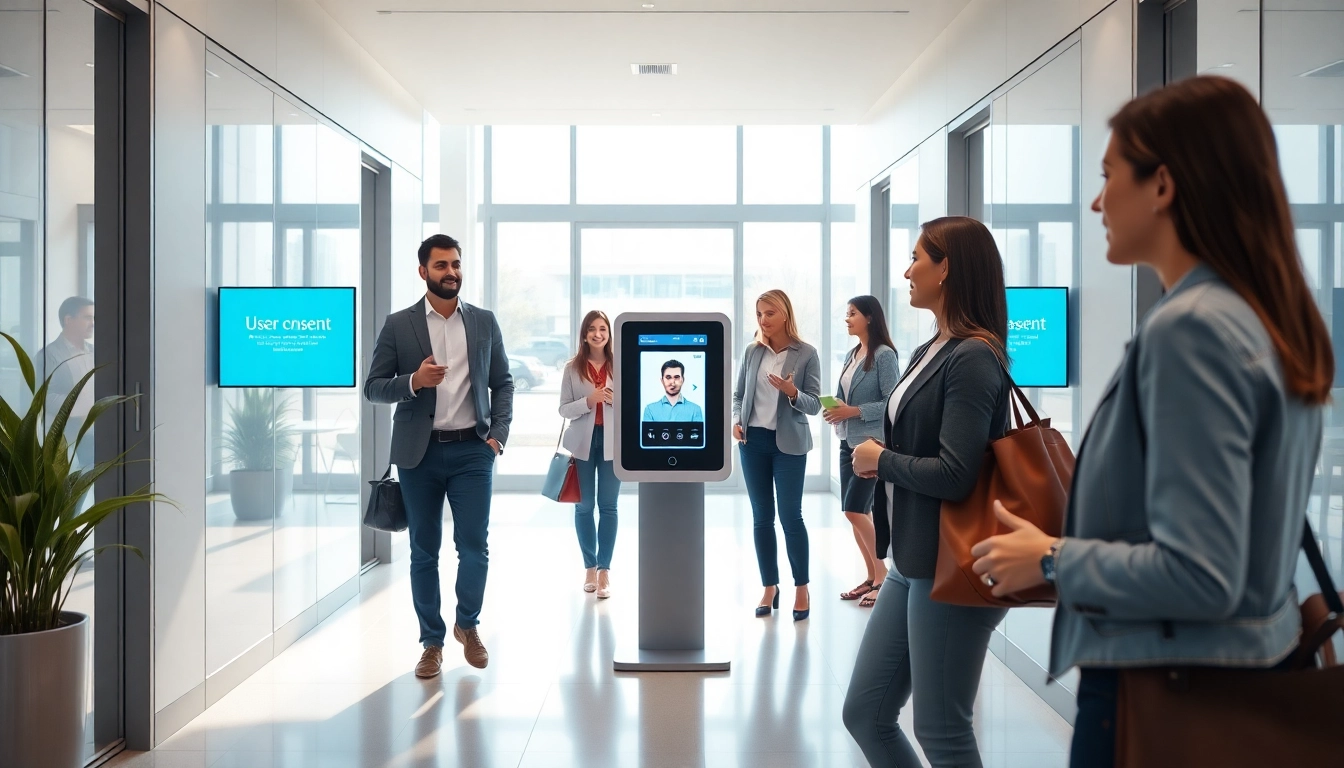
Understanding Browser-Based Facial Recognition Attendance
In today’s fast-paced work environments, organizations are seeking innovative solutions to streamline attendance tracking and improve operational efficiency. One such solution is browser-based facial recognition attendance, a technology that leverages biometric data to enhance the check-in process while ensuring user consent and privacy. This article delves into the mechanics of this advanced system, its numerous benefits, and how it can be implemented seamlessly across various industries.
What is Browser-Based Facial Recognition Attendance?
Browser-based facial recognition attendance systems are biometric technologies that allow employees to clock in and out using their facial features as identification. Unlike traditional attendance methods, which may rely on manual entry or card swipes, this system uses advanced algorithms to recognize faces through standard web browsers. The implementation of such systems ensures that organizations benefit from high accuracy rates in attendance tracking while minimizing human error.
How Does Facial Recognition Work for Attendance?
The facial recognition process involves capturing an image of the user’s face, analyzing it, and comparing it to stored data to confirm identity. When an employee approaches the attendance terminal, they are prompted to initiate recognition actively, ensuring that the process is deliberate and transparent. This explicit user initiation is crucial, as it addresses privacy concerns, allowing individuals to control when their biometric data is used.
Benefits of Implementing Facial Recognition Attendance
- Enhanced Accuracy: Reduces buddy-punching and other attendance fraud.
- Streamlined Processes: Speeds up check-in and check-out, reducing wait times.
- Increased Accountability: Provides accurate and reliable records of attendance.
- Improved Employee Experience: Simplifies the clock-in process with user-friendly interfaces.
- Cost-Effective: Leverages existing hardware, eliminating the need for proprietary devices.
Key Features of ClockInFace
User-Initiated Recognition: Transparency and Control
At the core of ClockInFace’s functionality is its commitment to user consent and privacy. Employees trigger the recognition process intentionally, ensuring that their data is only processed with their explicit agreement. This feature fosters trust between organizations and their employees, as users can see and understand the process involved in their attendance tracking.
Privacy-First Design in Biometric Attendance
ClockInFace stands out for its dedication to a privacy-first approach. Unlike systems that engage in passive tracking or require surveillance, ClockInFace ensures that the biometric data is only utilized when necessary and with clear consent. This design philosophy not only adheres to legal and ethical standards but also aligns with growing public concerns regarding privacy in biometric data usage.
Flexibility in Deployment: No Special Hardware Required
Another significant advantage of ClockInFace is its deployment flexibility. The system does not necessitate specialized biometric hardware; instead, it can run on any device equipped with a modern web browser. This means that organizations can utilize existing resources, significantly reducing barriers to implementation and enabling faster adoption.
Common Use Cases for Facial Recognition Attendance
Corporate Environments: Enhancing Employee Check-In
In corporate settings, facial recognition attendance systems can transform the check-in process. By enabling employees to clock in quickly using their faces, companies can reduce queues and improve workflow. Additionally, with accurate attendance records, HR departments can better manage workforce dynamics and ensure compliance with labor regulations.
Education Sector: Streamlining Student Attendance
Schools and universities are increasingly leveraging facial recognition technology to enhance attendance tracking in classrooms and lecture halls. The system not only simplifies the process for teachers but also reduces instances of absenteeism, providing institutions with a reliable method to monitor student engagement and participation.
Healthcare Facilities: Efficient Staff Tracking
In healthcare facilities, accurate attendance is crucial for effective staffing and patient care. By implementing a facial recognition attendance system, hospitals can ensure that staff members are promptly checked in, allowing for better resource allocation and improved patient outcomes. The technology also minimizes the need for physical contact, aligning with health and safety protocols.
Integrating ClockInFace with Existing Systems
Utilizing the REST API for Seamless Integration
ClockInFace offers a RESTful API that allows organizations to integrate the facial recognition attendance system into their existing infrastructure. This capability ensures that companies can maintain their current workflows while enhancing them with advanced biometric functionality. The API facilitates data exchange and allows for custom applications tailored to specific organizational needs.
Adapting to Organizational Policies and Compliance
With the evolving landscape surrounding biometric data laws, it is essential for organizations to adapt their policies accordingly. ClockInFace provides the tools necessary for compliance without compromising on efficiency. Organizations can set their own rules for data retention and employee consent, allowing for better governance and transparency.
Steps for Effective System Integration
- Assess current attendance tracking processes and identify areas for improvement.
- Choose the appropriate hardware and ensure it can run modern web browsers.
- Implement the ClockInFace API, ensuring employees are trained on its usage.
- Regularly review system performance and employee feedback to make necessary adjustments.
The Future of Attendance Tracking in 2026
Emerging Trends in Biometric Technology
The field of biometric technology is continuously evolving, with advancements making systems more accurate and user-friendly. In 2026, organizations can expect even more refined algorithms that enhance facial recognition performance, including improved capabilities in challenging lighting conditions and diverse environments.
Challenges and Solutions in Facial Recognition Implementation
Despite its numerous advantages, the implementation of facial recognition technology can face challenges such as privacy concerns and potential biases in algorithmic recognition. By prioritizing transparency and user control, organizations can build trust and overcome these hurdles, ensuring the technology is utilized responsibly.
Preparation for a Privacy-Driven Future in Attendance
As the focus on privacy continues to intensify, organizations must prepare for a future where biometric data usage is subjected to strict regulations. By adopting transparent practices, prioritizing user consent, and ensuring compliance with evolving laws, businesses can position themselves as responsible data stewards in the biometric landscape.