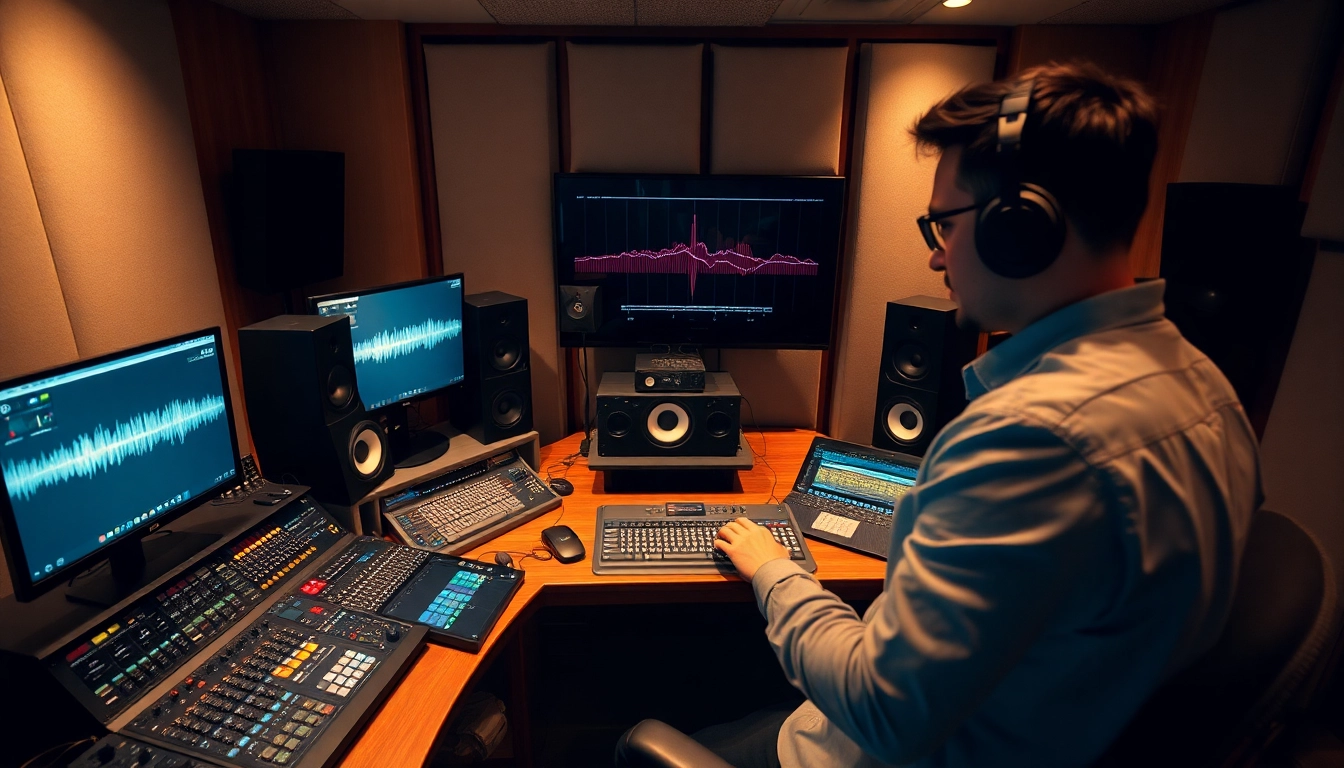
Understanding Online Mastering Services
What is Online Mastering?
Online mastering has revolutionized the way music producers finalize their tracks. It refers to the process of preparing and transferring recorded audio from a source to a data storage device, optimizing it for distribution across various platforms. Typically, online mastering services allow musicians and producers to submit their mixed tracks electronically, where experts apply final touches to enhance sound quality. This enables artists to achieve a polished sound that meets industry standards without needing to be in a physical studio. The convenience and accessibility of online mastering services have made them increasingly popular among independent musicians and hobbyists alike.
How Online Mastering Works
The process begins with the artist or producer uploading their mixed track to an online mastering platform. Depending on the service, there may be specific guidelines for file formats (like WAV, AIFF, or high-quality MP3), alongside instructions on what adjustments or enhancements are desired. After submission, audio engineers assess the mix quality and apply various mastering techniques, such as equalization, compression, and limiting. These processes enhance the track’s loudness, clarity, and overall sonic balance, making it ready for commercial release. Finally, the mastered track is rendered and sent back to the artist in the requested format.
Benefits of Choosing Online Mastering Services
One major advantage of utilizing online mastering services is cost-effectiveness. Traditional mastering studios often come with high hourly rates, whereas online options tend to provide competitive pricing structures. Furthermore, online services provide convenience by allowing users to work from their preferred locations, escaping the limitations of physical studios. They usually offer quick turnaround times that range from 24 hours to a few days, making it easier for artists to meet release deadlines. Lastly, many online mastering services include user-friendly interfaces and resources that guide users through the mastering process, catering to both seasoned professionals and newcomers.
Finding the Right Online Mastering Service
Key Factors to Consider
When selecting an online mastering service, several crucial factors should be considered to ensure you choose the best fit for your needs:
- Audio Quality: Investigate the audio quality specifications of various services. Look for platforms that support high-resolution formats.
- Turnaround Time: Assess how quickly you need your music mastered. If you have a tight deadline, ensure the service can accommodate it.
- Pricing Structure: Compare prices among different services and check whether they provide value through additional features like revisions or consultations.
- User Interface: A user-friendly interface can simplify the submission process, making it easier for users at all levels of experience.
- Revisions Policy: Understand the service’s policy regarding revisions; ensure you’ll have opportunities to provide feedback.
Researching and Comparing Services
Once you understand the key factors, it’s time to research different online mastering services. Use industry forums, social media groups, and music production communities to gather recommendations and insights. Create a shortlist of services that align with your requirements. Compare their offerings, pricing, and user experiences to identify the best options. Many services also provide sample tracks from previous projects, allowing you to judge the quality of their work before committing.
Reading Reviews and Testimonials
Customer feedback plays a vital role in the decision-making process. Look for reviews on third-party sites to get an unbiased perspective on the service experience. Pay attention to repeat characteristics in feedback, such as response time, professionalism, and quality of the final product. Testimonials can provide insights into specific aspects of the service that may align with your needs, helping you make a well-informed choice.
The Online Mastering Process Explained
Initial Submission and Guidelines
The initial step is crucial. Artists must prepare their tracks according to the service’s submission guidelines, ensuring they are in the correct format and adhere to any specific requirements regarding the mix. Providing relevant notes on desired sound, limitations, and reference tracks can also greatly assist mastering engineers in producing a final product that aligns with your vision.
The Mastering Phases
Mastering typically involves several key phases, each focusing on perfecting different aspects of the audio. These phases may include:
- Equalization: Adjusting frequency balance to ensure the track sounds good across all playback systems.
- Compression: Controlling the dynamic range to ensure the track has a consistent sound without losing energy.
- Limiting: Applying a final limiting to prevent clipping and maximize volume while retaining sound quality.
- Formatting: Ensuring the final master is suitable for various formats, whether digital streaming, CDs, or vinyl.
Final Review and Revisions
After the mastering process is complete, a final review is conducted. This involves listening to the track on various playback systems to ensure the best sound quality across all devices. Many online mastering services allow for one or more revisions based on listener feedback, enabling artists to fine-tune the final product. Open communication with the mastering engineer can enhance this stage significantly, allowing for a collaborative approach to achieving the desired sound.
Common Mistakes in Online Mastering
Over-Compression and Its Effects
One of the most frequent mistakes artists make is over-compressing their tracks. While compression is crucial in mastering to control dynamic range, excessive compression can squish the life out of a track, making it sound flat and lifeless. It’s vital to strike a balance where the energy of the performance shines through while still maintaining control over volume levels.
Neglecting Format Specifications
Submitting tracks in the wrong format can lead to several issues, including poor audio quality or playback problems. It’s essential to adhere to the specific format requirements outlined by the mastering service to avoid complications. This can include ensuring proper bit depth and sample rate and exporting files without excessive processing.
Ignoring Feedback and Revisions
Feedback is an essential component of the mastering process. Ignoring constructive criticism or not taking advantage of revision opportunities may result in a final product that doesn’t meet the artist’s expectations. Embracing feedback allows for greater collaboration and often leads to a final master that aligns closely with the artist’s vision.
Measuring the Success of Your Mastering
Understanding Mastering Quality Metrics
To gauge the success of your mastering, understanding essential metrics such as loudness, dynamic range, and frequency response is vital. Loudness should be balanced to avoid clipping while ensuring the track stands out in a competitive market. Dynamic range metrics indicate the difference between the softest and loudest parts of the track, providing insight into its emotional impact. Ideally, you want your track to sound vibrant and full without sacrificing clarity or detail.
Gathering Listener Feedback
Listener feedback can provide insights into how well the track resonates with an audience. Regularly engage listeners through surveys or social media to understand their opinions on the sound quality and overall impact of the track. This feedback can prove invaluable for future projects and transformation elements that appeal to your audience’s preferences.
Using Analytics to Track Performance
Utilize analytics tools available through streaming platforms and social media to track your track’s performance. Metrics such as play counts, listener demographics, and engagement levels can provide insights into how well your mastered track is being received. These analytics help inform your marketing strategies and future musical directions.
Frequently Asked Questions
What is the turnaround time for online mastering services?
Turnaround times vary, but most online mastering services offer delivery within 24-72 hours.
Can I request revisions after my track is mastered?
Yes, many services include a revision process to ensure your satisfaction with the final product.
What audio formats do I need to submit?
Common formats include WAV, AIFF, or high-quality MP3 files; check specific service guidelines for detailed requirements.
Is online mastering as good as in-person mastering?
Yes, if done right, online mastering services can produce high-quality results comparable to in-person studios.
How do I prepare my track for online mastering?
Ensure your track is well-mixed, exported in the required format, and follow the service’s submission guidelines closely.