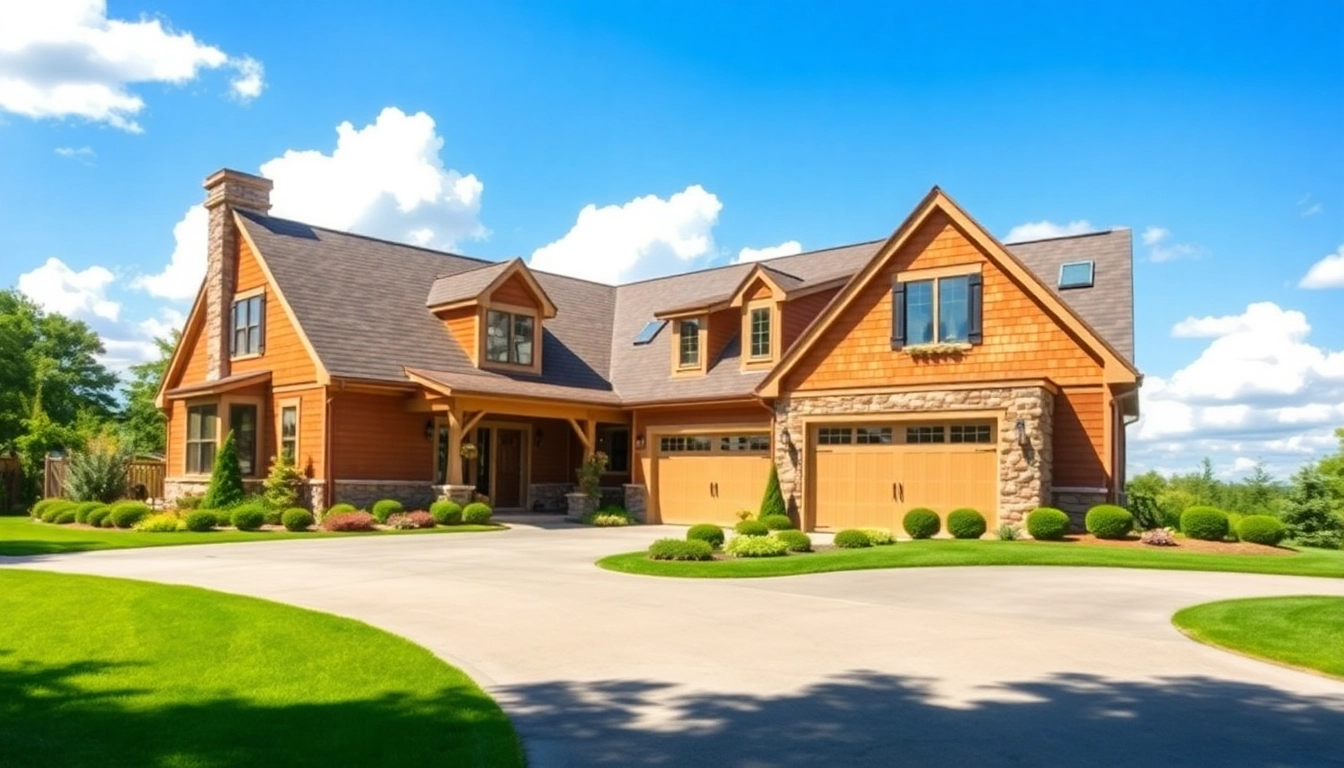
Understanding Cape Cod Homes
History and Architecture of Cape Cod Homes
The history of cape cod homes dates back to the early 1600s when settlers first arrived in New England. These homes were characterized by their steep roofs, symmetrical facades, and simple, rectangular designs that were both practical and durable. The design evolved to meet the harsh New England weather, with features that allowed for efficient heating and protection from the elements.
Architecturally, Cape Cod homes typically feature wood siding, often painted in soft shades that reflect the natural surroundings. The interiors are usually open and airy, designed to maximize the use of natural light. Large chimneys and dormered windows further define the aesthetic, which has remained popular throughout centuries due to its timeless appeal.
Contemporary Trends in Cape Cod Home Design
In modern times, the Cape Cod style has undergone a transformation while retaining its classic charm. Contemporary trends focus on blending traditional elements with modern amenities. Features like open floor plans, eco-friendly materials, and energy-efficient systems are becoming increasingly popular. The use of outdoor living spaces complements the home’s style, allowing for seamless transitions between indoor and outdoor environments.
Architects and designers now frequently incorporate large windows, smart home technology, and sustainable building materials, ensuring that Cape Cod homes meet today’s lifestyle demands. This combination not only enhances functionality but also ensures that these homes remain significant and relevant in modern architecture.
Benefits of Expanding Cape Cod Homes
One major advantage of expanding Cape Cod homes is the opportunity to increase livable space without sacrificing character. Renovations can enhance the home’s functionality while adhering to its traditional aesthetics. An expansion can transform a Cape Cod home into a multi-story residence, providing additional bedrooms, bathrooms, or even a spacious family room.
Moreover, an expansion can significantly increase the property’s value, making it a sound investment. Families looking for additional space often prefer homes that maintain their design integrity while offering modern conveniences. This balance can be achieved with thoughtful planning and execution, turning a beloved home into a timeless investment.
Planning Your Cape Cod Home Expansion
Assessing Your Needs for Extra Space
Before embarking on an expansion project, it’s crucial to assess your specific needs. Consider the number of family members living in the home and how your lifestyle has changed over time. Do you require additional bedrooms, a home office, or perhaps a larger garage? Make a list of your must-haves and nice-to-haves to ensure you create a design that truly meets your requirements.
Engaging in discussions with family members about their needs can provide insights that may not be immediately apparent. Furthermore, analyzing how you utilize your current space will help pinpoint areas where expansion can enhance functionality. A well-thought-out plan will serve as the foundation for a successful project.
Designing a Functional Attached Garage
An attached garage can significantly improve the usability of your Cape Cod home. When designing your garage, consider not just the space for vehicles but also additional storage solutions. Integrating features like built-in shelving or attic storage can help alleviate clutter around the house.
It’s also important to ensure that the garage’s exterior design complements the home. Using similar materials, colors, and architectural elements will maintain the home’s cohesive look, ensuring your expansion feels harmonious rather than tacked on. Including windows can enhance natural light and improve ventilation, making the garage a more pleasant space overall.
Budgeting for Your Cape Cod Home Project
Budgeting is another critical component of planning your home expansion. Start by researching current construction costs in your area, taking into account materials, labor, and any professional fees. It’s wise to include a contingency fund to cover any unexpected expenses that may arise during construction.
Be transparent with your architect and contractors about your budget. They can often provide suggestions for cost-saving measures without compromising quality. Additionally, considering energy-efficient designs can lead to long-term savings, further stretching your budget beyond the initial construction phase.
Choosing the Right Materials
Common Materials Used in Cape Cod Homes
The choice of materials is crucial in maintaining the aesthetic integrity of Cape Cod homes. Traditional materials include wood siding, shingles, and hardwood flooring, each contributing to the home’s classic charm. Accompanying these materials with durable, high-quality finishes ensures longevity against the coastal climate.
It’s also essential to consider local sourcing of materials to ensure consistency with the landscape as well as sustainability. Selecting materials that blend well with the natural surroundings can enhance the home’s appeal while ensuring resilience against weather extremes.
Sustainable Options for Home Expansion
Sustainability should be at the forefront of any home expansion project. Utilizing reclaimed wood, low-VOC paints, and energy-efficient systems can significantly reduce the environmental impact of your new construction. These choices not only benefit the planet but can also save homeowners money in the long run through reduced energy costs.
Designing for passive solar heating and utilizing renewable energy sources, such as solar panels, can lead to significant efficiencies and long-term value. More homeowners are now seeking environmentally friendly options, making sustainable features attractive during resale periods.
Color Schemes and Finishes for Curb Appeal
Selecting the right color schemes and finishes is essential for augmenting the curb appeal of your expanded Cape Cod home. Traditional palettes often include soft pastels and neutrals that harmonize with the surroundings. Popular choices consist of sea foam greens, breezy blues, and classic whites, all of which reflect the coastal environment.
As you consider finishes, think about the innovations available, such as weather-resistant paints and stain systems that can preserve the beauty of your home for years. Accent colors for doors and shutters can offer a modern twist, contributing to the overall aesthetic without detracting from the traditional design.
Working with Professionals
Finding the Right Architect for Your Project
Choosing the right architect for your project can greatly influence the success of your expansion. Start by looking for professionals who specialize in Cape Cod designs and understand the local architecture’s nuances. Check their previous work to see if their style aligns with your vision.
Establish clear communication and a mutual understanding of expectations during the initial meetings. The right architect should not only provide aesthetic input but also offer insight into functional layouts, ensuring that your home expansion enhances your lifestyle.
Construction Contractors: What to Look For
Selecting the right construction contractor is just as important as finding the right architect. Look for contractors with a solid reputation in your area, particularly those experienced with Cape Cod-style homes. Ask for references and check their portfolio to see completed projects that reflect their quality of work.
Clear communication about timelines, budgets, and project scopes will help foster a productive working relationship. Additionally, having a contractor who respects your vision plays a crucial role in achieving the desired results.
Permits and Regulations for Home Expansions
Understanding local building codes, permits, and zoning regulations is essential before beginning your expansion project. Variances may be required depending on your location, especially in coastal areas where homes are often subject to stricter regulations due to environmental concerns.
Consulting with your local building department can provide guidance on the necessary permits and inspection processes. Compliance will not only safeguard your investment but also enhance the long-term success of your home expansion.
Maintenance and Care for Your Expanded Space
Seasonal Maintenance Tips for Cape Cod Homes
Proper maintenance of Cape Cod homes is vital, especially after an expansion. Seasonal tasks may include cleaning gutters, inspecting roofing, and checking for signs of water intrusion. Regular maintenance helps prevent minor issues from developing into significant problems.
Winterizing your home, including insulating pipes and checking heating systems, can ensure cozy conditions during colder months. Likewise, summers can necessitate inspections of air conditioning units and landscaping, ensuring vitality for your new outdoor spaces.
Protecting Your Investment: Inspections and Repairs
Scheduling routine inspections of your expanded spaces can catch issues such as termites, mold, or structural weaknesses before they escalate. Keeping a maintenance schedule will prolong the life of your materials and enhance your property’s value.
Addressing repairs promptly, whether they are minor or major, protects your investment and keeps your home safe and comfortable. Building relationships with local inspectors and contractors can streamline the repair process, ensuring that you have a robust support system as needs arise.
Maximizing Usability of Your New Garage
To maximize the usability of your new attached garage, consider integrating multifunctional features. Workbenches, organized storage solutions, and even recreational areas can elevate the garage’s function beyond just vehicle storage.
Also, think about creating a seamless transition from the garage to the main living areas, which can further enhance usability. Incorporating features like a mudroom or direct access to a nearby bathroom can facilitate movement and increase comfort for family and guests.
FAQs about Cape Cod Home Expansions
1. What is the average cost of expanding a Cape Cod home?
The cost can vary greatly depending on size and materials, but expect to budget between $100 to $300 per square foot for a quality build.
2. How long does a Cape Cod home expansion typically take?
The timeline for expansion can range from a few months to over a year depending on the project’s scope, permitting process, and weather conditions.
3. Can I expand my Cape Cod home without a permit?
Most expansions require permits due to local zoning laws, so it’s crucial to check with your planning department before starting any project.
4. What sustainable materials can I use in my home expansion?
Options include reclaimed wood, low-VOC paints, and energy-efficient windows, all contributing to an eco-friendly design.
5. How do I maintain my new garage space effectively?
Regularly organize the space, clean it seasonally, and address any repairs immediately to keep the garage functional and appealing.