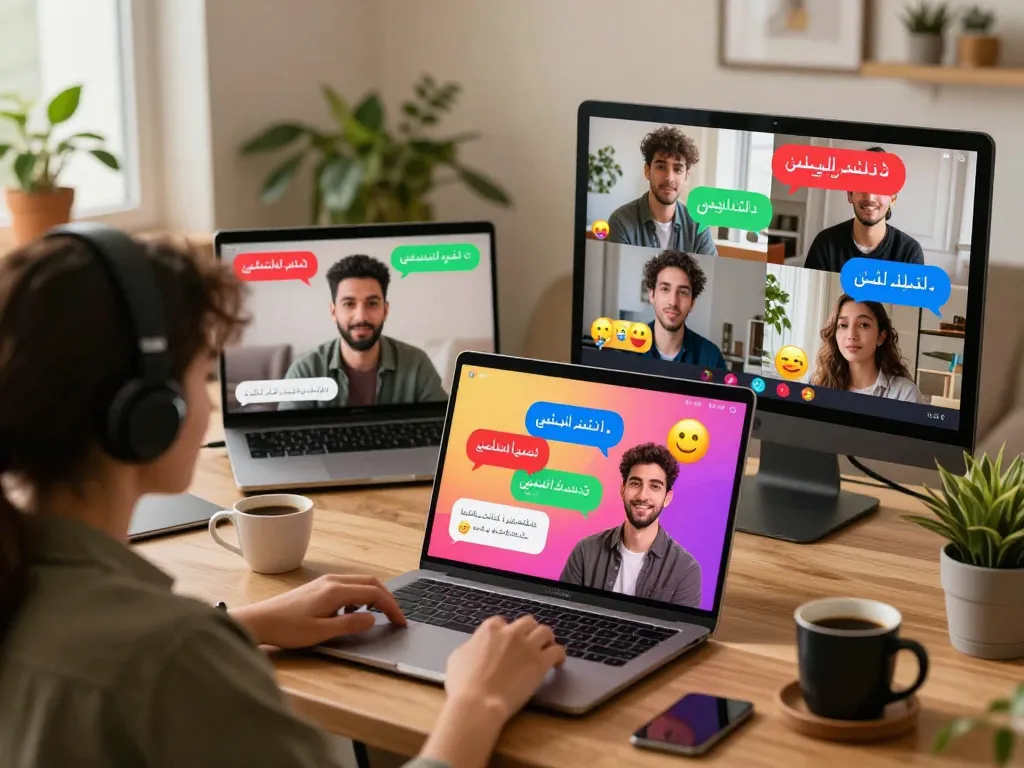
Understanding the AI Voice Interviewer
The recruitment landscape is undergoing a seismic shift as technology evolves at a breakneck pace, and one of the standout innovations in this realm is the AI voice interviewer. This tool leverages artificial intelligence to conduct interviews in a manner that mimics natural human interactions, enhancing the candidate experience while streamlining hiring processes. As leading companies increasingly adopt this technology, understanding its functionalities, benefits, and operational mechanics becomes crucial for HR professionals and recruiters looking to remain competitive in an evolving job market.
What Is an AI Voice Interviewer?
An AI voice interviewer is a digital tool powered by artificial intelligence that conducts candidate interviews through voice interactions. This technology allows recruiters to engage with candidates without the need for traditional face-to-face interviews. By creating a conversational experience, AI voice interviewers can gather necessary information about candidates’ skills, experiences, and overall suitability for roles. These systems are designed to be flexible, adapting to the interview flow in real-time based on candidate responses, making them a valuable addition to modern recruitment strategies.
The Technology Behind AI Voice Interviewers
The technology powering AI voice interviewers combines natural language processing (NLP), machine learning algorithms, and voice recognition capabilities. NLP enables the AI to understand and interpret human language nuances, allowing it to ask relevant follow-up questions based on candidates’ answers. Machine learning plays a pivotal role in continuously improving the AI’s performance by learning from past interviews and outcomes. This technology ensures that interviews remain consistent and objective, making it easier for recruiters to assess candidates fairly.
Benefits of Using AI Voice Interviewers in Recruitment
- Efficiency: AI voice interviewers can conduct multiple interviews simultaneously, drastically reducing the time spent on preliminary candidate assessments.
- Accessibility: Interviews can be conducted 24/7 in multiple languages, accommodating candidates across different time zones and backgrounds.
- Enhanced Candidate Experience: The conversational nature of AI interviews helps candidates feel more comfortable, leading to a more authentic representation of their capabilities.
- Objective Evaluation: By standardizing the interview questions and scoring, AI voice interviewers minimize bias, ensuring that each candidate is evaluated on the same criteria.
Why Leading Companies Choose AI Voice Interviewers
As organizations strive to streamline their hiring processes and improve the overall candidate experience, many leading companies are turning to AI voice interviewers. These advanced tools not only enhance efficiency but also ensure a fair and engaging interview process, thus attracting top talent.
Case Studies of Successful Implementations
Numerous companies, including major players in tech and retail, have successfully incorporated AI voice interviewers into their recruitment workflows. For example, a tech giant reported a 60% reduction in time-to-hire after integrating an AI voice interviewer, allowing them to focus on higher-level candidate engagement. Retail firms have also seen improved candidate feedback, emphasizing the comfort and convenience offered by AI-driven interviews.
Gaining Efficiency and Consistency
Efficiency is often the primary driver behind adopting AI voice interviewers. By automating the initial screening process, organizations can significantly reduce the workload on HR teams while maintaining high standards of candidate evaluation. Consistency in how interviews are conducted leads to more reliable outcomes, allowing hiring managers to make decisions based on standardized data rather than subjective impressions.
Improving Candidate Experience with AI
Beyond operational efficiencies, AI voice interviews enhance the candidate experience. Feedback from candidates often highlights that the AI interviews feel more like conversations than traditional interviews. This relaxed atmosphere encourages candidates to express themselves more freely, showcasing their true personalities and skills. The ability to interview at any time and in their preferred language further boosts accessibility and inclusivity, making a significant impact on the candidate experience.
How to Effectively Implement an AI Voice Interviewer
Implementing an AI voice interviewer requires careful planning and execution. To maximize the benefits, organizations must consider their specific needs and how an AI solution can fit within their existing recruitment framework.
Setting Up Your Screening Criteria
Before deploying an AI voice interviewer, it is crucial to define clear screening criteria tailored to the specific role. Identify the essential skills, qualifications, and competencies needed, and set up an evaluation framework that the AI can use to assess candidates fairly. This foundational step ensures that all candidates are compared against the same standards, leading to more objective hiring decisions.
Inviting Candidates to Participate
Inviting candidates to participate in AI voice interviews should be straightforward and transparent. Provide candidates with clear instructions on how the interview process works, including the format, expected duration, and any technical requirements. This transparency not only helps candidates prepare but also sets the right expectations about the process, fostering trust from the outset.
Integrating with Your ATS
For a seamless recruitment experience, AI voice interviewers must integrate smoothly with Applicant Tracking Systems (ATS). This integration facilitates the automatic transfer of interview data, scores, and transcripts, enabling HR teams to access all candidate information in one location. Ensuring compatibility with existing systems minimizes disruptions and enhances overall recruitment efficiency.
Challenges and Considerations with AI Voice Interviewers
While AI voice interviewers present numerous advantages, organizations must also navigate certain challenges and considerations during implementation.
Addressing Common Misconceptions
One common misconception about AI voice interviewers is that they lack the human touch. In reality, these systems are designed to create human-like interactions that feel natural and engaging. It is essential to educate stakeholders about the technology’s capabilities to dispel any myths and foster acceptance within recruitment teams.
Ensuring Fairness and Avoiding Bias
Ensuring fairness in AI voice interviews is paramount. Organizations must continuously monitor the AI’s performance and outcomes to identify any potential biases in the data or evaluation process. Implementing regular audits and updates to the AI algorithms helps mitigate these risks, ensuring that the hiring process remains equitable for all candidates.
Training Your Team on AI Interviewing Technology
To fully leverage the capabilities of AI voice interviewers, HR teams must be trained on how to use the technology effectively. Training programs should cover not only the operational aspects of the AI system but also best practices for interpreting its results and integrating them into broader recruitment strategies.
The Future of AI Voice Interviewing
As technology continues to evolve, the future of AI voice interviewing looks promising. Organizations that embrace this innovation will likely find themselves at the forefront of recruitment strategies, yielding benefits that extend far beyond mere efficiency.
Emerging Trends for 2026 and Beyond
Looking ahead, we can anticipate several trends impacting AI voice interviewing by 2026. Firstly, advancements in AI technology will likely lead to even more sophisticated voice recognition and natural language processing capabilities. Additionally, integration with other recruitment tools, such as video interviewing platforms and skill assessment software, will become more prevalent, creating a cohesive recruitment ecosystem.
The Role of AI in Creating Inclusive Hiring Practices
AI voice interviewers can significantly contribute to inclusive hiring practices by removing barriers that traditionally hinder diverse candidate participation. By offering multilingual support and accommodating various scheduling needs, AI-driven recruitment tools help ensure that all candidates have equal opportunities to showcase their talents.
Predictions for the Evolution of Recruitment Technology
The recruitment landscape is poised for further transformation as AI technologies continue to develop. The rise of fully automated recruitment processes, where AI handles everything from screening to onboarding, may redefine how companies approach talent acquisition. As organizations adapt to these changes, those leveraging AI voice interviewers will likely maintain a competitive edge in attracting and retaining top talent.
What are the main features of AI voice interviewers?
AI voice interviewers offer a range of features designed to enhance the recruitment process, including natural language understanding, real-time response adaptation, and multi-language support. Their ability to conduct interviews 24/7, generate detailed transcripts, and sync directly with ATS platforms are critical capabilities that drive efficiency and consistency in hiring.
How do AI voice interviewers improve candidate experience?
By creating a conversational atmosphere and offering flexible interview scheduling, AI voice interviewers significantly elevate the candidate experience. This technology allows candidates to engage in interviews at their own convenience, reducing the stress associated with traditional interview formats.
What challenges should companies anticipate when implementing AI voice technology?
Challenges may include addressing potential biases in AI outputs, ensuring seamless integration with existing recruitment systems, and combating misconceptions about the technology. Continuous monitoring and training can mitigate these challenges and foster a successful implementation.
How do AI voice interviewers integrate with existing ATS systems?
AI voice interviewers typically integrate with ATS systems through APIs, ensuring that all candidate data, including interview transcripts and scores, sync automatically. This integration streamlines the recruitment process and allows hiring teams to assess candidates without switching between different platforms.
What future trends in recruitment technology should businesses watch for?
Future trends include the rise of AI-driven recruitment analytics, increased personalization in candidate interactions, and broader adoption of hybrid interview formats that combine AI and human interaction. Staying abreast of these trends will help organizations remain competitive in an evolving job market.