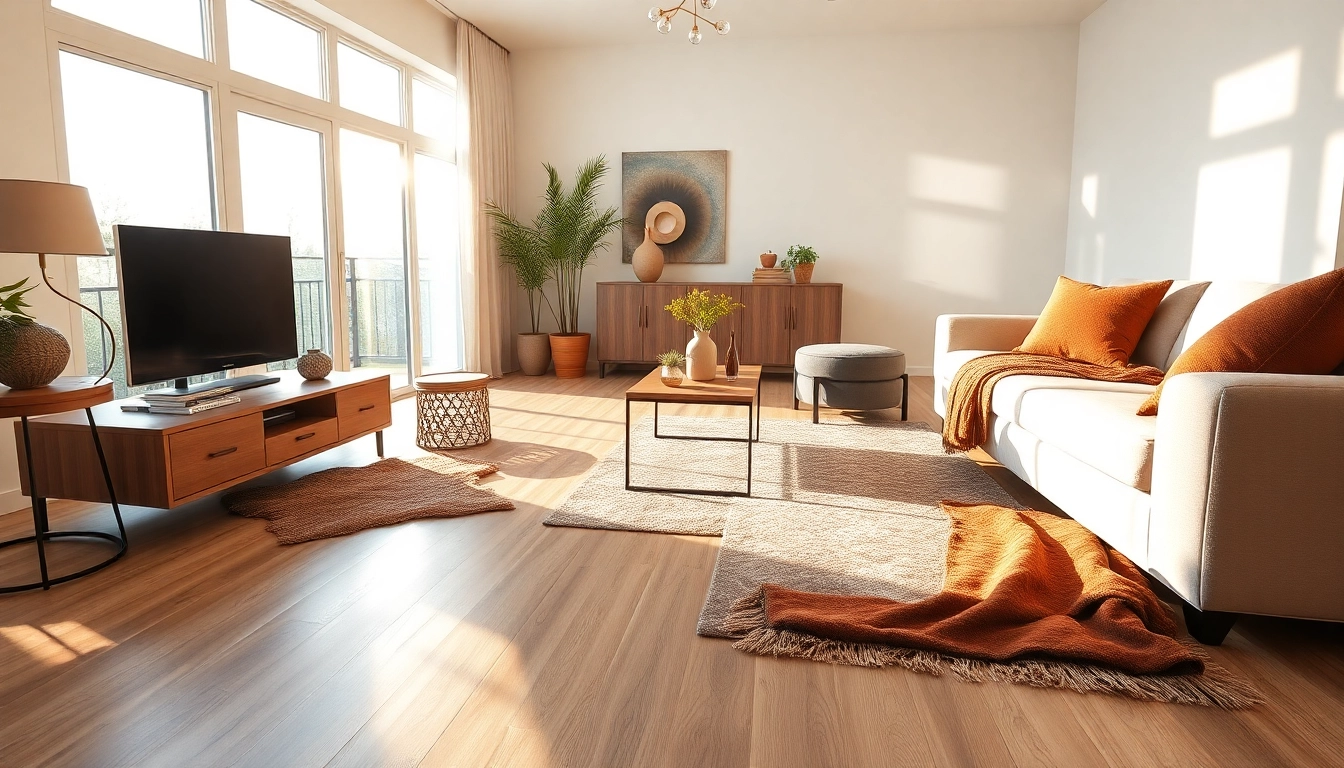
Understanding Waterproof Vinyl Flooring
What Is Waterproof Vinyl Flooring?
Waterproof vinyl flooring is a high-performance flooring option designed to resist moisture and spills, making it ideal for various environments—including homes, offices, and commercial spaces. Typically crafted from a combination of polyvinyl chloride (PVC), this flooring offers a durable surface that mimics the appearance of real wood, stone, or tile. Unlike standard vinyl, waterproof vinyl flooring provides enhanced performance in areas prone to water exposure, such as kitchens, bathrooms, and basements. Many homeowners are turning to waterproof vinyl flooring for its elegance, practicality, and affordability.
Key Features of Waterproof Vinyl Flooring
Waterproof vinyl flooring comes with several key features that make it an excellent consideration for modern homes. Firstly, its water resistance means it can endure spills without absorbing moisture, thereby preventing mold and mildew, which can be a significant problem in traditional flooring. Additionally, it boasts:
- Durability: High-quality vinyl is resistant to scratches, dents, and abrasions, making it suitable for high-traffic areas.
- Comfort: Unlike ceramic tiles, waterproof vinyl flooring is generally warmer and softer underfoot.
- Easy Maintenance: Cleaning requires minimal effort; a simple sweep and occasional damp mop are usually sufficient.
- Variety of Designs: Available in countless styles, colors, and patterns that closely resemble natural materials.
Benefits of Choosing Waterproof Vinyl Flooring
Choosing waterproof vinyl flooring provides a plethora of benefits, making it a favored option among homeowners and interior designers alike. One of the most compelling advantages is its affordability compared to traditional hardwood or stone installations. Furthermore, it offers:
- Versatility: Ideal for various rooms, from bathrooms to dining areas.
- Sound Insulation: Helps in reducing noise due to its cushioned backing.
- Eco-Friendly Options: Manufacturers often provide environmentally responsible choices that emit low VOCs.
Installation Process
Preparing Your Space for Waterproof Vinyl Flooring
Proper preparation is crucial for the successful installation of waterproof vinyl flooring. Begin by clearing the installation area of furniture and any previous flooring materials. Ensure the subfloor is clean, dry, and leveled, as uneven surfaces can hinder the integrity of the installation. If moisture is a concern, utilizing a moisture barrier can help prevent potential water damage. Additionally, acclimate your vinyl flooring to room temperature for at least 48 hours before installation, as this will prevent expansion and contraction after it’s laid.
Step-by-Step Installation Guide
The installation procedure for waterproof vinyl flooring can vary depending on the specific product, but following a general guideline can streamline the process. Here’s a step-by-step installation guide:
- Measure Your Space: Calculate the required amount of flooring material based on the area dimensions.
- Cut the Vinyl: Use a utility knife to cut the vinyl planks or tiles to the necessary sizes, accounting for corners and edges.
- Apply Adhesive (if necessary): Some products are peel-and-stick, but others may require adhesive; follow manufacturer instructions.
- Lay the Vinyl: Start from one corner of the room, laying each plank side by side, ensuring a snug fit.
- Seal Edges: Install any transition strips or moldings to create a seamless transition between flooring types and edges.
Common Mistakes to Avoid During Installation
While installing waterproof vinyl flooring can be a straightforward DIY project, several common pitfalls may arise:
- Improper Acclimation: Skipping the acclimation process can lead to buckling or warping.
- Ignoring Subfloor Issues: Failure to address subfloor problems can affect how level and smooth the finished floor will be.
- Poor Planning: Not measuring accurately can result in unnecessary waste and increased costs.
- Inconsistent Pattern Alignment: Be mindful of aligning patterns across adjoining planks for a cohesive look.
Maintenance and Care
How to Clean Waterproof Vinyl Flooring?
Maintaining waterproof vinyl flooring is relatively easy when you adopt a regular cleaning routine. Here are the essentials of keeping your floors looking like new:
- Vacuum or sweep regularly to remove dirt and debris.
- Mop with a damp cloth and a gentle cleaner specifically formulated for vinyl flooring. Avoid abrasive tools for mopping.
- Wipe up spills immediately to prevent any potential staining.
Long-Term Care Tips for Durability
To prolong the lifespan of your waterproof vinyl flooring, consider the following long-term care practices:
- Use furniture pads to avoid scratches from heavy items.
- Establish no-shoe policies in certain rooms to minimize tracked dirt.
- Review and follow the manufacturer’s recommendations for specific cleaning products and maintenance procedures.
Preventing Damage to Waterproof Vinyl Flooring
While waterproof vinyl flooring is resistant to many forms of damage, taking proactive measures can help maintain its condition:
- Avoid using harsh chemicals or overly aggressive cleaning options that can break down the flooring material.
- Keep sharp or heavy objects away from the floor to prevent punctures or dents.
- In areas with high foot traffic, consider placing rugs or runner mats to help disperse wear and tear.
Design Options and Trends
Styles and Patterns for Waterproof Vinyl Flooring
The aesthetic versatility of waterproof vinyl flooring is one of its most significant advantages. Available in various styles and patterns, here are some popular options:
- Wood-Look Vinyl: Mimics the texture and grain of natural wood, available in various colors and finish options.
- Stone-Look Vinyl: Replicates the appearance of stone or ceramic tile for a sophisticated touch.
- Abstract Patterns: Create unique visual interest with geometric designs or bold colors.
Incorporating Waterproof Vinyl Flooring in Your Home Decor
Waterproof vinyl flooring can enhance your home decor when thoughtfully selected. Here are some effective strategies:
- Choose a color palette that complements existing furniture and decor.
- Use area rugs to distinguish spaces and add layers of texture.
- Incorporate natural elements, like plants, to balance the modern look of vinyl with organic warmth.
Trends in Waterproof Vinyl Flooring Designs
Contemporary design trends in flooring emphasize natural aesthetics, sustainability, and functionality. Some current trends include:
- Wide Plank Designs: Mimic the appearance of traditional hardwood and create a sense of space.
- Industrial and Urban Finishes: Features such as distressed looks or concrete patterns are gaining popularity for their modern appeal.
- Eco-Friendly Options: Manufacturers are increasingly offering sustainable materials that align with green building practices.
Comparing Waterproof Vinyl Flooring With Other Flooring Options
Waterproof Vinyl Flooring Vs. Laminate Flooring
While both waterproof vinyl flooring and laminate flooring offer aesthetic versatility, the main differentiator is water resistance. Waterproof vinyl is fully moisture-proof, whereas laminate may absorb water if subjected to spills or humidity. This property makes waterproof vinyl flooring a superior choice for wet areas.
Waterproof Vinyl Flooring Vs. Ceramic Tile
Ceramic tile is known for durability and resistance to scratches, but it can be cold and hard underfoot. Waterproof vinyl flooring offers softer comfort, making it ideal for spaces where people stand for extended periods. Additionally, vinyl installation is typically less complex and less costly than ceramic tiles.
Waterproof Vinyl Flooring Vs. Hardwood Flooring
Hardwood flooring has timeless beauty but requires significant maintenance and can be vulnerable to water damage. Waterproof vinyl flooring provides the visual appeal of hardwood without the concerns of warping or staining. It is also easier and more budget-friendly to install, making it an attractive option for homeowners.
Frequently Asked Questions
1. Is waterproof vinyl flooring suitable for bathrooms?
Yes, waterproof vinyl flooring is an excellent choice for bathrooms due to its resistance to moisture and easy maintenance.
2. Can waterproof vinyl flooring be installed over existing floors?
In most cases, waterproof vinyl flooring can be installed over existing floors as long as they are level and in good condition.
3. How long does waterproof vinyl flooring last?
When properly maintained, waterproof vinyl flooring can last between 10 to 20 years or longer.
4. Is waterproof vinyl flooring eco-friendly?
Many manufacturers offer eco-friendly options for waterproof vinyl, using sustainable materials and processes.
5. How do I prevent scratching on my waterproof vinyl flooring?
Use furniture pads, avoid heavy sharp objects on the floor, and regularly clean dirt and debris to prevent scratches.